
How to Build a Thriving Remote Career & Live the Digital Nomad Dream
by Ethel Lair
published – Apr 3rd 2026
For aspiring digital nomads juggling rent, debt, and a restless desire for freedom are all tough. Therefore, remote work challenges can feel like a locked door with no key.
Financial insecurity makes every slow month feel personal. The hunt for job flexibility often leads to unstable gigs that never turn into reliable, location-independent income.
It’s easy to assume the only options are overcrowded or out of reach, especially without a clear map. The truth is that alternative online careers exist in places many beginners never think to look.
Quick Summary: Remote Careers That Travel With You
● Explore online fitness coaching to build a flexible income while helping clients transform their health.
● Consider teletherapy careers to deliver meaningful support through secure, remote care.
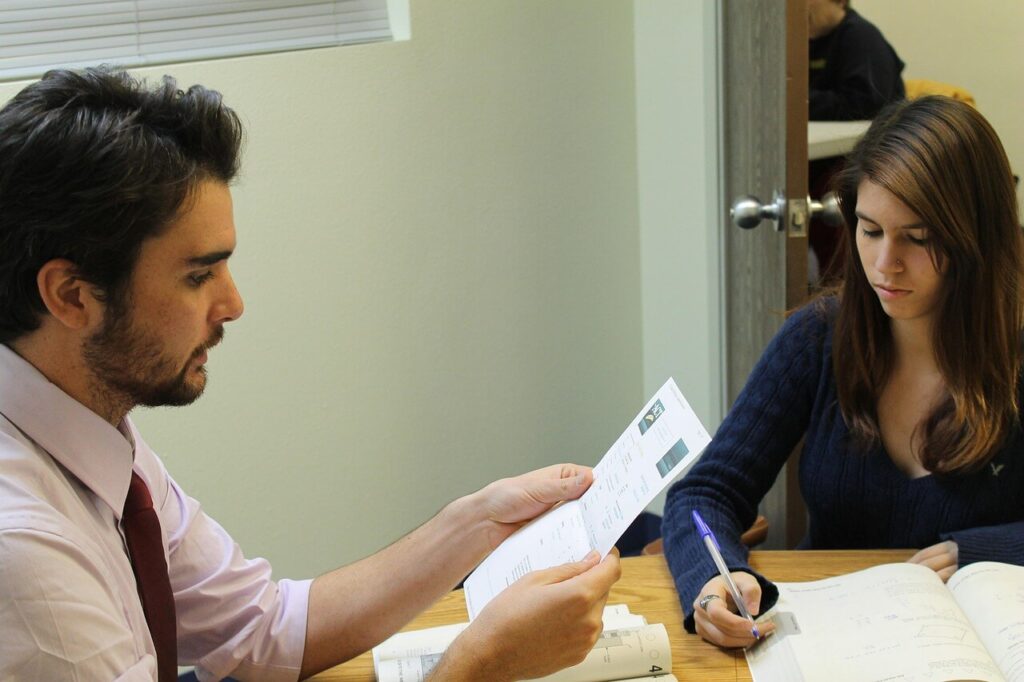
● Pursue remote tutoring opportunities to earn online by teaching skills and strengthening confidence.
● Discover digital archaeology roles to contribute to cultural preservation through remote, tech-enabled work.
● Choose remote job options for freedom, impact, and a lifestyle that supports the digital nomad dream.
Understanding the Digital Nomad Skill Stack
A helpful way to see the digital nomad lifestyle is as a skill-building journey, not a nonstop vacation. Deliberately build remote-ready skills. You can then use them to earn in more than one way, so your income is less fragile.
This matters because stability comes from what you can do, not where you sit. In fact, 63% of remote workers report no impact on their career progression. Intentional upskilling can keep your growth visible and your options wide.
Picture it like building a sturdy table. One leg is a core remote role, and the other legs are smaller streams. These are often found through freelancing platforms that let you deliver digital services remotely. If one leg wobbles, the table still stands.
With that mindset, choosing practical paths and credentials becomes much easier.
Do you want to learn how to better manage your money?
Sign up for our FREE email newsletter and reach this goal today.
You will receive helpful updates straight to your inbox whenever we publish new content.
Don’t miss out!
Choose Your Track: 6 Uncommon Careers + One Learn-Then-Earn Tech Route
Remote work becomes sustainable when you pick a track that fits your life. You can then build the supporting “skill stack” brick by brick. Try to do this through:
- communication
- systems
- a small portfolio
- smart money habits
- Online Fitness Coach Career: Start with one 4-week micro-offer. Write a simple program you can deliver from anywhere (for example: “Strength for Busy Beginners,” 3 workouts/week, 20 minutes each). Run it with 3–5 beta clients at a discounted price in exchange for testimonials. Set up before/after metrics like consistency, reps, or energy. Growth is on your side when the online fitness coaching market is expanding. Your job is to be specific, measurable, and easy to start.
- Teletherapy as Remote Work: Build a compliant path before you market. If you’re already a licensed clinician, choose a niche you can clearly describe in one sentence. For instance, burnout recovery, couples communication, grief support etc. Create a short intake workflow: screening questions, scheduling window, payment policy, and an emergency plan. If you’re not licensed yet, your “today” step is research. List the degree, supervised hours, and exam requirements for your state, then estimate timeline and cost. This track rewards strong boundaries and documentation, two skills that transfer beautifully to any remote career.
- Remote Teaching Jobs: Turn what you know into a repeatable lesson product. Pick one subject you can teach confidently (English conversation, basic math, adult computer skills). Write three 30-minute lesson plans with clear outcomes and a simple worksheet. Record a 2-minute sample lesson and a one-page teaching profile that highlights results, not credentials. Start with a realistic weekly schedule you can protect, consistency builds student trust faster than perfection.
- Digital Archaeology Career Path: Aim for “remote-adjacent” roles first. Many archaeology projects still happen in the field, but the data work can travel. Think digitizing records, GPS mapping support, database cleanup, or 3D photogrammetry. Your first step is a mini-portfolio. Include one map, one cleaned dataset, and one short write-up explaining your process in plain language. Reach out to museums, local historical societies, and university labs. You can then offer a small, defined pilot (10 hours) so you’re not asking them to bet big on you.
- Travel Photography Income: Separate art from income with a shot list. Create three themed “content packs” you can sell repeatedly (cafés, street details, outdoor portraits). Shoot each pack with 25–40 usable images. Build a simple licensing page with clear terms (personal vs. commercial use) and price tiers. Pitch to small businesses where you’re staying: “I can deliver 20 edited images in 72 hours.” Treat every trip like a systems test, backup routine, file naming, and a weekly editing block.
- Online Wedding Planning Business: Start as a remote coordinator, not a full planner. Offer one tight service first, timeline creation, vendor email management, or day-of coordination documents. You can learn fast without drowning in scope. Use a checklist-based workflow: intake call, shared folder, milestone dates, and a weekly update message. Couples pay for calm; your “skill stack” here is empathy plus operations.
- One Learn-Then-Earn Tech Route: Stack transfer credit + scholarships into a realistic runway. If tech appeals, choose one remote-friendly lane (IT support, data analytics, web development). Map it backwards: job requirements → degree/cert → courses → weekly study hours. Ask schools about transfer credit for past college, work training, or standardized exams. You can then apply for 5–10 small scholarships instead of waiting for one perfect award, small wins add up. While you study, earn in the margins with beginner-friendly gigs (tutoring, coordination, simple content work). Your budget supports momentum, not stress. Consider how earning a computer science degree online could fit into that plan
Remote Career Questions People Ask Most
Q: How do I get a remote job if I have no “real” experience yet?
A: Start by proving one outcome, not listing skills. Build a tiny portfolio with 2 to 3 samples. A short process write-up, and one testimonial from a beta client or practice project. Apply to roles that match that outcome and keep your pitch simple: problem, method, result.
Q: What legal stuff should I handle before working while traveling?
A: Confirm your work rights, tax obligations, and whether your client or employer allows work from another country. Rules vary, so treat it like risk management: keep a folder with contracts, invoices, and proof of income. Some countries explicitly allow remote work on a visitor entry. For example, New Zealand being digital nomads welcome up to 9 months under updated conditions.
Q: How can I avoid burning out when home and work are the same place?
A: Protect your energy before you protect your calendar. Achieve this by setting a daily shutdown time and a short “start work” routine. It helps to remember you are not alone in valuing balance. Work-life balance is the most important factor, ranking above pay. Build your week around recovery blocks, not just tasks.
Q: How do I build trust with online clients who have never met me?
A: Make expectations visible: scope, timeline, communication windows, and what “done” looks like. Share proof that reduces anxiety, like a one-page plan, a sample deliverable, and a clear refund or revision policy. Trust grows fastest when you do small promises consistently.
Q: When should I raise my rates, and how do I do it without guilt?
A: Raise rates when your workflow is repeatable and your results are predictable, even if you are still learning. Give existing clients notice, keep your explanation brief, and tie the increase to what improved. This can include speed, reliability, or added support. Pricing is not just income, it is a boundary that protects your future.
Build a Remote Career That Funds Your Freedom Long-Term
The hardest part of embracing a remote work lifestyle isn’t the tools. As a matter of fact, it’s the fear of:
- choosing wrong
- starting late
- getting stuck without steady income
The steadier path is long-term remote career planning rooted in skills, trust, and patience. This is guided by inspiring remote work success stories rather than comparison.
With that mindset, digital nomad career motivation stops being a mood. Instead, it becomes a practice that supports building financial independence online.
Location independence is built one repeatable decision at a time. Choose:
- one small step today
- update a profile
- apply to one role
- outline a weekly plan
- invest in stationery and office supplies (if necessary)
That’s how legacy through location independence becomes real stability, resilience, and choice for the years ahead.
Conclusion
One effective technique you can use to market your business is through implementing email marketing. This will allow you to grow your customer base by offering a free email newsletter or another incentive.
Do you have an idea for a remote career that isn’t mentioned here? How do you plan on building up a client list and promoting your remote business?
Please don’t forget to share this with your friends and like it on social media. You can subscribe to our newsletter and comment below too. Thanks for reading!
Related Posts:
Finding & Keeping a Remote Job: A Guide for the Modern Worker
How to Get Your Home Business Up & Running
Boosting Productivity in Remote Teams: Tools, Frameworks & Proven Strategies
Starting an Online Business? Avoid These Common Website Mistakes
Successfully Navigate Complexities of Starting & Growing Startups
What Kind Of Business Is Best For A Veteran?
Fundamentals Of Building A Fantastic Freelance Team
The Senior Entrepreneur’s Guide to Business Marketing
Money-Making Ideas for Stay-Home Parents
142 Reasons Why You Should & Shouldn’t Work For Yourself
9 Work Addiction Recovery Tips To Help You Avoid Burnout
