
A Guide to Starting Your Remote Work Journey Living in an RV
by Linda Chase
published – Oct 2nd 2026
For aspiring digital nomads drawn to the RV lifestyle, living on the road can feel like the cleanest way to blend workdays with wide-open destinations.
The core tension is that mobile remote work demands stability while RV travel is built on change. This mismatch often surprises people who expect constant freedom.
Days are shaped by the challenges of RV travel, space, schedules, maintenance, and the mental load of keeping life and work running in a moving home.
With the right expectations, the payoff is a clearer decision about whether this lifestyle fits and what commitments come first.
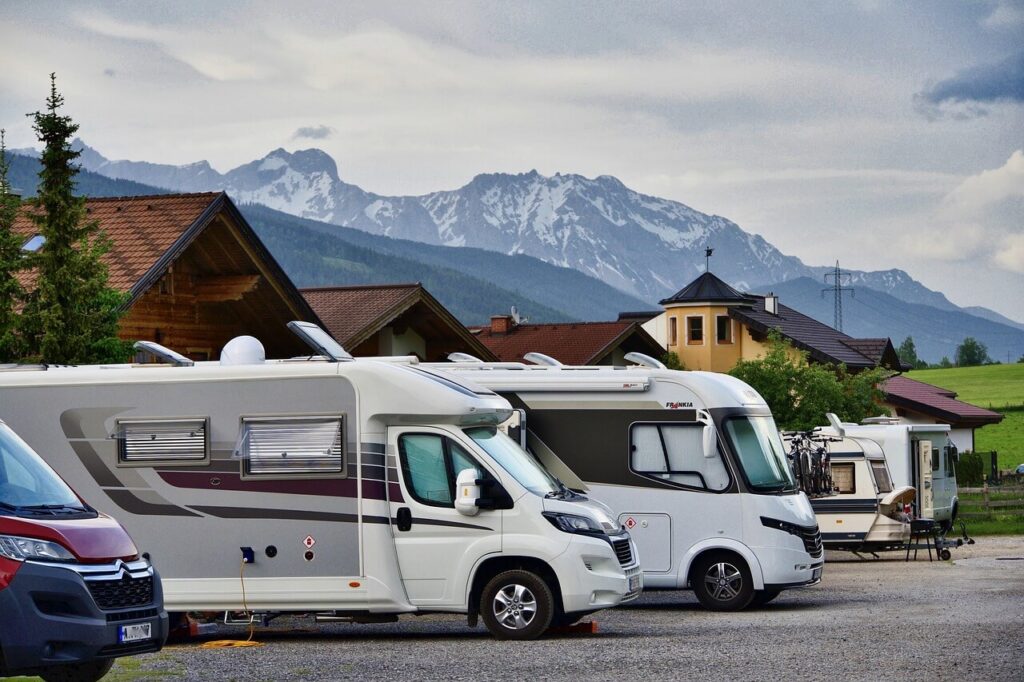
Build Your Sell-or-Rent and RV Budget Plan
This process helps you choose whether to sell or rent out your home. After that, match an RV type and size to your timeline and starter budget.
For general readers, it turns a big lifestyle shift into a few practical decisions you can price out before you commit.
- Set your nomad timeline and cash target
Start with your intended launch date and how long you want to try RV life before reassessing (3 months, 6 months, or a year). Then set a simple cash target. How much money do you want available after moving out for RV purchase, setup, and a safety buffer. This prevents you from buying a rig that fits your dreams but not your runway. - Compare selling vs renting with real monthly numbers
List your “keep the home” costs (mortgage, taxes, insurance, maintenance, property management if applicable). Compare these to estimated rent income or sale proceeds. Use a quick reality check from the housing market: renting remains cheaper than buying in many cases. Therefore, you want your decision to be driven by cash flow, risk tolerance, and how soon you may want to return. - Choose an RV category based on work needs first
Pick the RV type that supports your daily work basics: a dedicated desk spot, reliable power options, and enough room to take calls without constant reshuffling. As a starting filter: travel trailer for flexibility and lower upfront cost, fifth wheel for more living space, or motorhome if you want a single integrated vehicle. Your work setup is what makes the travel sustainable. - Right-size the rig to your travel pace and storage reality
Choose size by how often you plan to move and how much stuff you are truly bringing. Don’t just make a decision by what looks comfortable on a walkthrough video. Faster travel usually favors smaller rigs that are easier to park and less tiring to manage, while longer stays can justify more space. Aim for “just enough” storage so your home stays tidy and your workday stays calm. - Price the true startup costs and write a one-page plan
Add up your initial RV expenses: purchase price, sales tax and registration, insurance, an inspection, basic repairs, connectivity gear, and a few essentials like hoses and surge protection. If you are shopping used, remember that used RV prices have softened in some segments. You can negotiate, but still budget for fixes. Put it all on one page with your timeline, expected monthly costs, and your minimum cash reserve. You can then make yes or no decisions quickly.
Build Remote-Ready Business Skills With an Accredited Online Degree Path
Once your budget plan shows what’s realistic on the road, it helps to invest in skills that keep your income options growing over time.
Earning a degree online can be a practical way to advance your career. In the meantime, this also strengthens core business abilities that transfer across many remote-friendly roles.
Many online programs are designed to make it easier to work full-time and still keep up with coursework on a predictable schedule.
If you’re considering a focused path, you can earn a business bachelor’s online to help you build fundamentals in:
- accounting
- business
- communications
- management
With stronger skills in place, the next step is leaning on simple road habits that keep your workday and your RV running smoothly.
Habits That Keep RV Life and Deadlines Steady
Good systems beat willpower when you live and work from an RV. These small habits:
- reduce surprises
- protect your focus
- help you keep promises to clients even when plans change
Do you want to learn how to better manage your money?
Sign up for our FREE email newsletter and reach this goal today.
You will receive helpful updates straight to your inbox whenever we publish new content.
Don’t miss out!
Morning Connection Check
● What it is: Run a two-minute speed test and confirm hotspot data limits.
● How often: Daily
● Why it helps: It prevents last-minute scrambling before calls and uploads.
Parking-and-Setup Checklist
● What it is: Do the same sequence: level, chock, power, water, and a quick walk-around.
● How often: Every arrival
● Why it helps: It catches safety issues before they require repair.
Maintenance Micro-Log
● What it is: Record tire pressure, fluids, and odd noises in a notes app.
● How often: Weekly
● Why it helps: Patterns help you schedule service before breakdowns disrupt work.
Client Update Window
● What it is: Send a simple status note and next ETA, even when things are on track.
● How often: Twice weekly
● Why it helps: Clear expectations reduce stress like financial stress (26%) can.
Expense Capture Sprint
● What it is: Photograph receipts and tag fuel, campsites, food, and repairs immediately.
● How often: Daily
● Why it helps: Clean data makes it easier to cut costs without feeling deprived.
RV Digital Nomad FAQs People Actually Ask
Q: How do I find remote job opportunities that work from an RV?
A: Start with roles that are location-flexible by design: customer support, writing, design, bookkeeping, sales development, and many tech roles. Expect competition because 20% of postings attract a disproportionate share of applicants. For this reason, tailor your resume to each listing and lead with measurable results. A fast fix is setting alerts for “remote” plus your job title and applying within 48 hours.
Q: What should my personal brand look like if I travel full-time?
A: Keep it simple: one niche, one promise, and two proof points. Use a consistent headline across LinkedIn, a one-page portfolio, and an email signature that says what you do, who you help, and your typical turnaround time. Speaking of email, one could even set up an email marketing newsletter via AWeber.
Q: How can I get paid reliably while moving between campgrounds?
A: Use two payment rails: one primary (invoice plus card or bank transfer) and one backup (PayPal or Wise). Send invoices on a set day, require deposits for new clients, and keep a small “buffer fund” so a late payment does not force you to relocate.
Q: What remote work tech is truly essential in an RV?
A: Prioritize redundancy: an unlocked phone hotspot, a second data option, and a laptop with offline access to key files. Add a lightweight power plan like a reliable inverter and a battery bank so short outages do not kill deadlines. You can get a lot of useful equipment, stationery and supplies from vendors like Office Depot.
Q: When should I tell clients my connection might be spotty, and what’s the quick fix?
A: Tell them before it becomes a problem by setting “call windows” and sharing a backup contact method. If speeds dip, switch to audio-only, pause video, and upload large files overnight.
Build Confidence for Long-Term RV Living in Seven Days
Living and working from an RV can feel like a constant tug-of-war between freedom and the fear of something breaking, your internet, your income, or your routine.
The steady path is the mindset this guide favors:
- simplify decisions
- build reliable systems
- solve one bottleneck at a time
That’s how motivating digital nomads turn early uncertainty into confidence building and start embracing nomadic lifestyle rhythms that last. One small, repeatable system beats big plans every time.
Conclusion
Are you currently living in an RV or planning on doing so? Can you think of any other obstacles when running a business from an RV, and if so, how would you go about solving these issues?
Please don’t forget to share this with your friends and like it on social media. You can subscribe to our newsletter and comment below too. Thanks for reading!
Related Posts:
How to Build and Launch a Successful Fully Remote Company
Transform Your Environmental Impact by Embracing Remote Work Lifestyle
Why Relying on One Job Is Risky & How to Build Safer Income Streams
The Growth Gap: Navigating the In-Between of Online Income
How to Build a Thriving Remote Career & Live the Digital Nomad Dream
Finding & Keeping a Remote Job: A Guide for the Modern Worker
How to Get Your Home Business Up & Running
Boosting Productivity in Remote Teams: Tools, Frameworks & Proven Strategies
Starting an Online Business? Avoid These Common Website Mistakes
Successfully Navigate Complexities of Starting & Growing Startups
What Kind Of Business Is Best For A Veteran?
Fundamentals Of Building A Fantastic Freelance Team
The Senior Entrepreneur’s Guide to Business Marketing
Money-Making Ideas for Stay-Home Parents
142 Reasons Why You Should & Shouldn’t Work For Yourself
9 Work Addiction Recovery Tips To Help You Avoid Burnout
